MBR Hollow Fiber Membrane
With growing water scarcity and strict environmental regulations, efficient wastewater treatment technologies are more vital than ever. The **MBR Hollow Fiber Membrane** is one of the best solutions available. This innovative technology has changed the way industries and municipalities treat wastewater. It offers outstanding filtration, a compact design, and high-quality output.
In this guide, we will cover the working principle of the MBR Hollow Fiber Membrane, its key benefits, and its main industrial applications. If you are an engineer, plant operator, or decision-maker evaluating wastewater treatment systems, this article will explain why MBR technology is shaping the future of water treatment.
What Is an MBR Hollow Fiber Membrane?
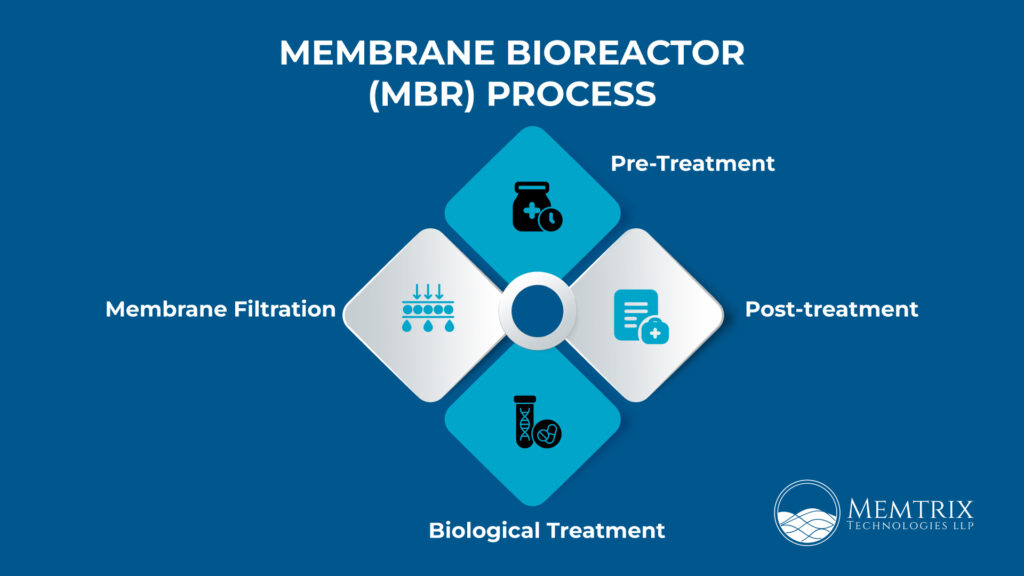
An **MBR Hollow Fiber Membrane** is a key part of a Membrane Bioreactor (MBR) system. This wastewater treatment method combines biological treatment with membrane filtration. Unlike traditional activated sludge systems that depend on gravity for sedimentation, MBR systems use semi-permeable membranes to physically separate treated water from solids and microorganisms.
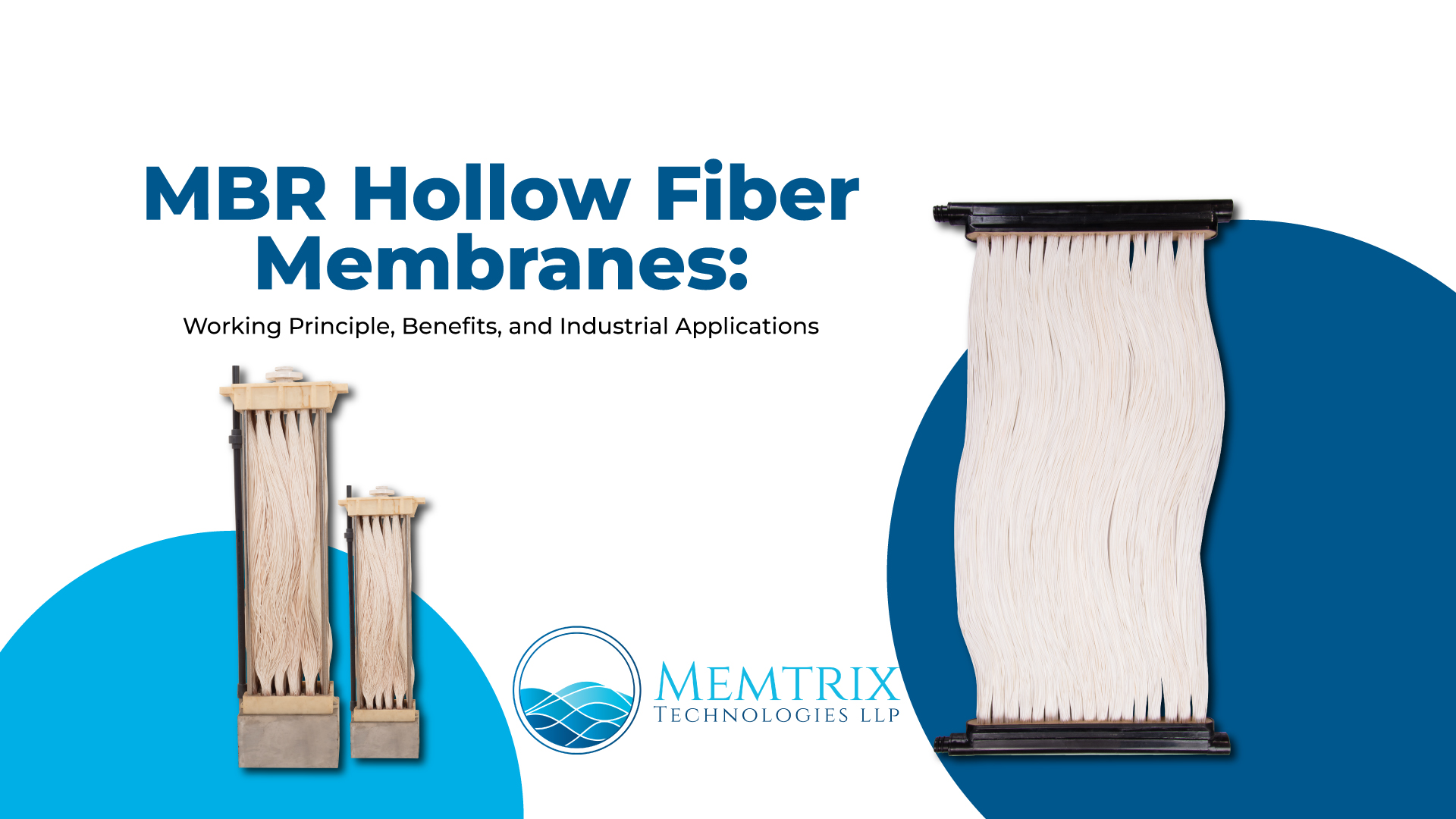
The hollow fiber design features thousands of tiny, straw-like fibers grouped together in a membrane module. These fibers act as barriers for microfiltration or ultrafiltration, allowing clean water to flow through while trapping solids, bacteria, and other contaminants.
Working Principle of MBR Hollow Fiber Membrane
Understanding how the MBR Membrane works is crucial to appreciating its effectiveness and dependability.
1. Biological Treatment Phase
Wastewater begins in the bioreactor tank, where microorganisms break down organic pollutants. This biological process resembles conventional activated sludge systems. The microbes consume organic material, turning it into carbon dioxide, water, and biomass.
2. Membrane Filtration Phase
Instead of using settling tanks, the MBR Hollow Fiber Membrane separates solids from liquids. The membrane fibers are submerged directly in the bioreactor tank.
- A suction pump creates negative pressure inside the hollow fibers.
- Treated water flows through the membrane walls.
- Suspended solids, bacteria, and pathogens remain outside the fibers.
This filtration typically operates with pore sizes between 0.1 and 0.4 microns, ensuring high-quality output.
3. Air Scouring and Fouling Control
To reduce membrane fouling, air bubbles are introduced at the bottom of the membrane module. Then these bubbles create turbulence to minimize the buildup of sludge on the membrane surface. Periodic backwashing and chemical cleaning help maintain performance and extend membrane life.
Key Components of an MBR Hollow Fiber Membrane System
An MBR system typically includes:
- Bioreactor tank
- Hollow fiber membrane modules
- Air blower system
- Permeate pump
- Cleaning system (CIP)
- Control panel and monitoring instruments
The MBR Membrane module is the core of the system, responsible for achieving superior filtration and clarity of output.
Benefits of Memtrix MBR Hollow Fiber Membrane
The MBR Membrane is popular in wastewater treatment because of its many benefits.
1. Superior Effluent Quality
One of the main advantages of the MBR Hollow Fiber Membrane is its ability to produce clear treated water. The membrane efficiently removes:
- Suspended solids
- Bacteria and pathogens
- Turbidity
- Organic pollutants
The treated water often meets strict discharge and reuse standards, making it suitable for irrigation, industrial reuse, and advanced polishing processes.
2. Compact System Design
Firstly, traditional wastewater treatment plants need large secondary clarifiers. MBR systems do not require sedimentation tanks, which reduces their footprint. This makes the MBR Hollow Fiber Membrane a great choice for:
- Urban installations
- Industrial sites with limited space
- Decentralized wastewater systems
3. Higher Biomass Concentration
Because membranes achieve separation rather than relying on gravity, MBR systems can function with much higher Mixed Liquor Suspended Solids (MLSS) concentrations. This leads to:
- Improved treatment efficiency
- Smaller bioreactor size
- Better removal of organic contaminants
4. Reduced Sludge Production
Our MBR Membrane system often generates less excess sludge than conventional systems. Reduced sludge production lowers handling and disposal costs.
5. Reliable and Stable Performance
MBR systems provide consistent effluent quality even with changing influent conditions. This reliability is crucial for industries dealing with variable wastewater loads.
6. Enhanced Pathogen Removal
Due to its fine pore size, the MBR Hollow Fiber Membrane acts as a physical barrier to bacteria and many viruses. This advantage makes it a great option for water reuse applications.
Industrial Applications of MBR Hollow Fiber Membrane
The MBR Hollow Fiber Membrane’s versatility makes it suitable for various industrial and municipal uses.
1. Municipal Wastewater Treatment
To begin with, municipalities worldwide use MBR systems to meet strict environmental discharge standards. The high quality of effluent ensures that treated water is suitable for reuse in landscaping, toilet flushing, and cooling.
2. Food and Beverage Industry
Secondly, the food and beverage sector produces wastewater rich in organic matter, fats, and suspended solids. The MBR Hollow Fiber Membrane effectively treats this wastewater while ensuring compliance with environmental laws.
3. Pharmaceutical Industry
Pharmaceutical wastewater often contains complex compounds and active ingredients. MBR systems offer reliable removal of these contaminants while maintaining consistent effluent quality.
4. Textile Industry
Textile wastewater usually has dyes, chemicals, and suspended solids. The MBR Hollow Fiber Membrane helps reduce color, COD, and turbidity before further treatment or discharge.
5. Chemical and Petrochemical Plants
Plants handling chemicals need strong treatment solutions. MBR technology is resilient against variable loads and toxic shocks.
6. Hospitals and Healthcare Facilities
Hospitals produce wastewater with pathogens and pharmaceutical residues. The MBR Hollow Fiber Membrane improves pathogen removal and supports safe discharge or reuse.
7. Decentralized and Package Treatment Plants
For remote communities, resorts, construction sites, and commercial complexes, compact MBR systems provide efficient on-site wastewater treatment.
Membrane Materials Used in MBR Hollow Fiber Membrane
The performance of an MBR Hollow Fiber Membrane largely relies on its materials. Common ones include:
- Polyvinylidene fluoride (PVDF)
- Polyethersulfone (PES)
- Polypropylene (PP)
PVDF is popular for its:
- High chemical resistance
- Mechanical strength
- Long service life
Advanced manufacturing methods improve membrane durability and resistance to fouling.
Maintenance and Operational Considerations
While the MBR Hollow Fiber Membrane offers great benefits, proper operation and maintenance are crucial for optimal performance.
1. Fouling Management
Membrane fouling is a natural process caused by solids and biofilm buildup. Effective techniques include:
- Air scouring
- Backwashing
- Periodic chemical cleaning
2. Regular Monitoring
Operators should keep track of:
- Transmembrane pressure (TMP)
- Permeate flow rate
- Dissolved oxygen levels
- MLSS concentration
Maintaining proper operating conditions ensures a long membrane lifespan and stable performance.
3. Cleaning-In-Place (CIP)
Chemical cleaning with mild acids or sodium hypochlorite removes inorganic and organic fouling layers. Therefore, scheduled CIP extends the life of the MBR Hollow Fiber Membrane.
MBR Hollow Fiber Membrane vs. Conventional Treatment
Conventional Activated Sludge
-
Footprint: Requires large space for treatment tanks
-
Effluent Quality: Moderate quality treated water
-
Sludge Settling: Secondary clarifier required for settling
-
Pathogen Removal: Limited removal efficiency
-
Water Reuse: Restricted reuse potential
MBR Hollow Fiber Membrane
-
Footprint: Compact design with smaller installation space
-
Effluent Quality: High-quality treated water
-
Sludge Settling: No settling tank required
-
Pathogen Removal: Excellent removal efficiency
-
Water Reuse: Highly suitable for water reuse applications
This comparison clearly shows why many sectors are shifting to MBR technology.
Future Trends in MBR Hollow Fiber Membrane Technology
As environmental regulations become stricter and water reuse gains importance, the demand for MBR Hollow Fiber Membrane systems is rising. Emerging trends include:
- Energy-efficient membrane modules
- Anti-fouling surface modifications
- Smart monitoring systems with IoT integration
- Hybrid MBR systems with advanced oxidation
Ongoing research and development are making membranes more durable, efficient, and cost-effective.
Conclusion
The **MBR Hollow Fiber Membrane** marks a significant step forward in wastewater treatment. By combining biological degradation with high-precision membrane filtration, it offers better effluent quality, a smaller footprint, and reliable performance.
Its uses extend across municipal treatment plants, food processing, pharmaceuticals, textiles, and more. As the global focus on sustainability and water reuse increases, the adoption of MBR Hollow Fiber Membrane systems will likely grow.
Call us or whatsapp us at +91 6355038616
Follow . Share . Like
Additional Read
MBR vs Conventional Treatment: Why Membrane Systems Are the Future