Hollow fiber membranes are revolutionary filtration devices widely used in water treatment technology, especially gaining traction in India. These membranes are fine filters consisting of tiny hollow tubes that act as selective barriers, allowing water and small molecules to pass through while retaining impurities like bacteria, suspended solids, and large molecules. This makes hollow fiber membranes ideal for wastewater treatment, drinking water purification, and numerous industrial applications.
What Is a Hollow Fiber Membrane?
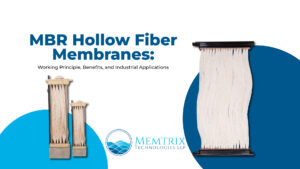
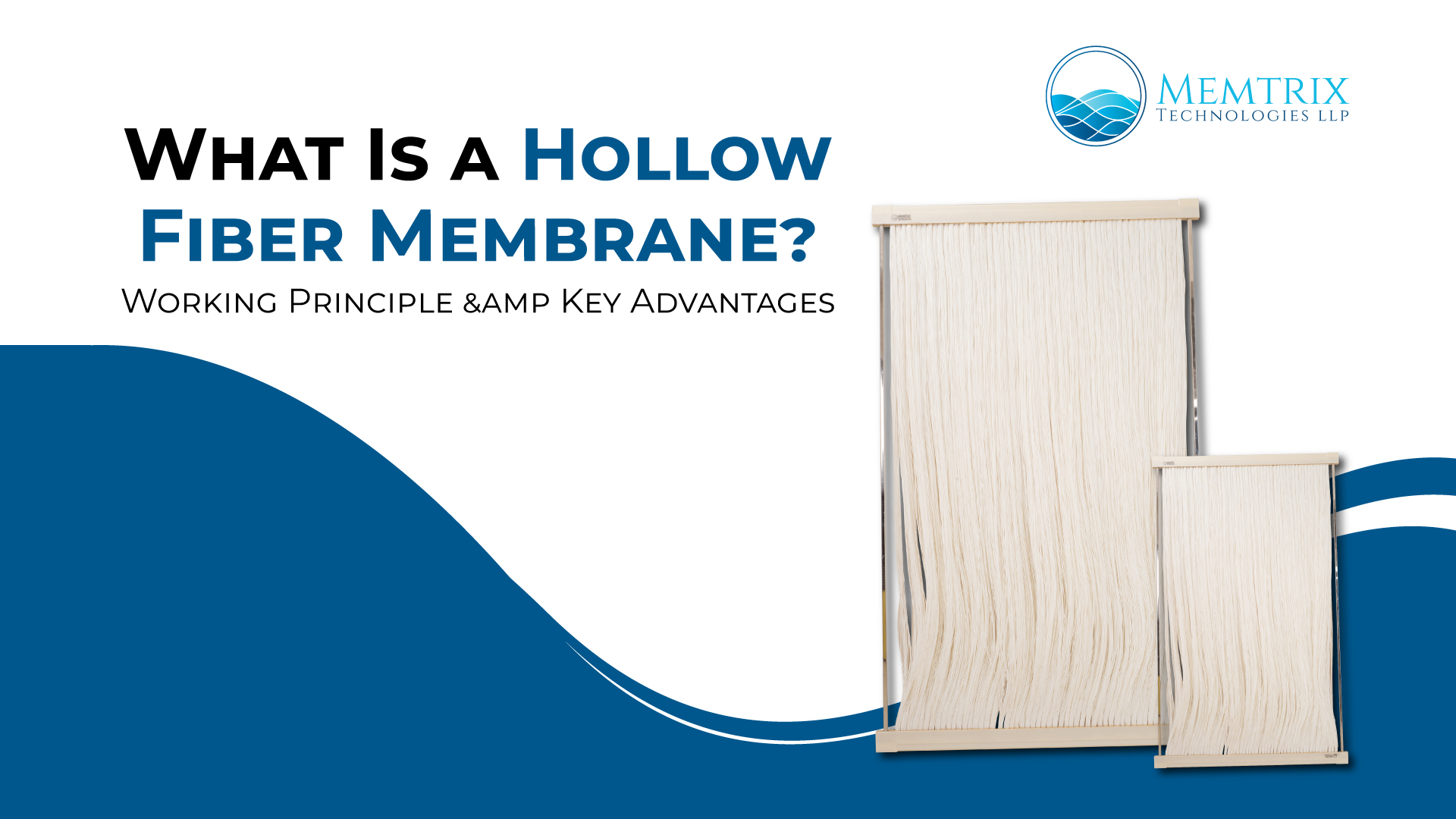
A hollow fiber membrane is a type of semi-permeable membrane made up of thousands of tiny hollow tubes, each with microporous walls. These tubes have diameters typically from 0.3 to 1.4 millimeters. The walls contain billions of micropores that allow selective filtration based on size and molecular weight. This further enables the passage of water molecules and beneficial minerals while blocking contaminants such as bacteria, viruses, rust, colloids, and suspended solids. The structure of hollow fiber membranes provides a large surface area per unit volume, making them highly efficient.
Working Principle of Hollow Fiber Membranes
Hollow fiber membranes operate based on a pressure-driven filtration principle. Raw or contaminated water is passed either inside the hollow fibers or on their outer surface. A pressure difference across the membrane forces water molecules through the micropores, while larger particles and contaminants are retained outside or inside the hollow fiber lumen. Because the membrane’s micropores are tiny—often around 0.01 to 0.2 micrometers—the filtration process effectively removes bacteria, viruses, and suspended solids.
The filtration process is continuous and dynamic. Further, it often employs cross-flow filtration where contaminants are flushed away, preventing clogging and enabling longer operational life. The membranes are designed to work efficiently at low pressures (around 0.02 MPa or higher). Memranes are with excellent durability and extensibility, ensuring they can withstand industrial water treatment environments.

Key Advantages of Hollow Fiber Membranes in India
India’s growing need for innovative wastewater solutions has made hollow fiber membranes a preferred technology due to their multiple advantages:
- High Filtration Efficiency: They effectively remove microbiological contaminants such as bacteria, viruses, and fungi, achieving safe, potable water output, crucial for India’s water safety challenges.
- Energy-Efficient and Cost-Effective: These membranes operate at low pressure. It reduces energy consumption compared to other filtration systems. They also require minimal chemicals, making them cost-effective and eco-friendly.
- Compact and Space-Saving: The hollow fiber configuration offers a large filtration area in a small footprint, ideal for space-constrained setups common in Indian urban and rural settings.
- Durability and Longevity: Advanced membrane materials used in India demonstrate high mechanical strength and chemical resistance, leading to longer service life and reduced replacement costs.
- Versatility and Adaptability: Hollow fiber membranes can be used in a variety of applications, from municipal wastewater treatment to industrial process water recycling or even portable water purification devices for rural areas.
- Environmentally Friendly: The process generates no chemical waste, aligning with India’s increasing environmental regulations and sustainability goals.
Applications of Hollow Fiber Membranes in India
Hollow fiber membrane technology is utilized extensively for:
- Municipal wastewater treatment to meet discharge standards.
- Drinking water purification in both urban and rural areas, including remote locations where conventional systems are impractical.
- Industrial water recycling and reuse.
- Pre-treatment for reverse osmosis systems to extend membrane life and efficiency.
- Portable water purification devices for disaster relief and community use.
Why Choose Hollow Fiber Membrane Technology?
Firstly, choosing hollow fiber membranes ensures high-quality water treatment with lower operational costs, improved reliability, and sustainability. Moreover, in India, where water contamination poses severe health risks and large-scale water scarcity is a concern. This technology offers a practical, scalable solution that addresses these challenges effectively.
Actually, for companies operating in hollow fiber membrane manufacturing and deployment in India, highlighting these benefits in product offerings and marketing appeals strongly to industries and municipalities. It aims for cost-efficient, reliable water management solutions.
By integrating hollow fiber membrane technology, India can enhance its wastewater treatment infrastructure, improve public health, and advance towards sustainable water use. This cutting-edge solution underscores why hollow fiber membranes are leading the charge in India’s wastewater technology landscape.
Call us or whatsapp us at +91 6355038616