MBR Module Replacement
In today’s water-stressed world, utilities and industrial operators face growing pressure to maintain consistent effluent quality while cutting costs. Membrane bioreactor (MBR) systems have become a key part of wastewater treatment due to their compact design, excellent filtration accuracy, and reliable performance. However, as MBR systems age, replacing modules becomes crucial for keeping efficiency high.
For facilities using the ZeeWeed 500D system, MBR module replacement offers a strong upgrade option. Built for durability, improved flow, and long-term stability, modern replacement modules are raising performance standards in wastewater treatment plants worldwide.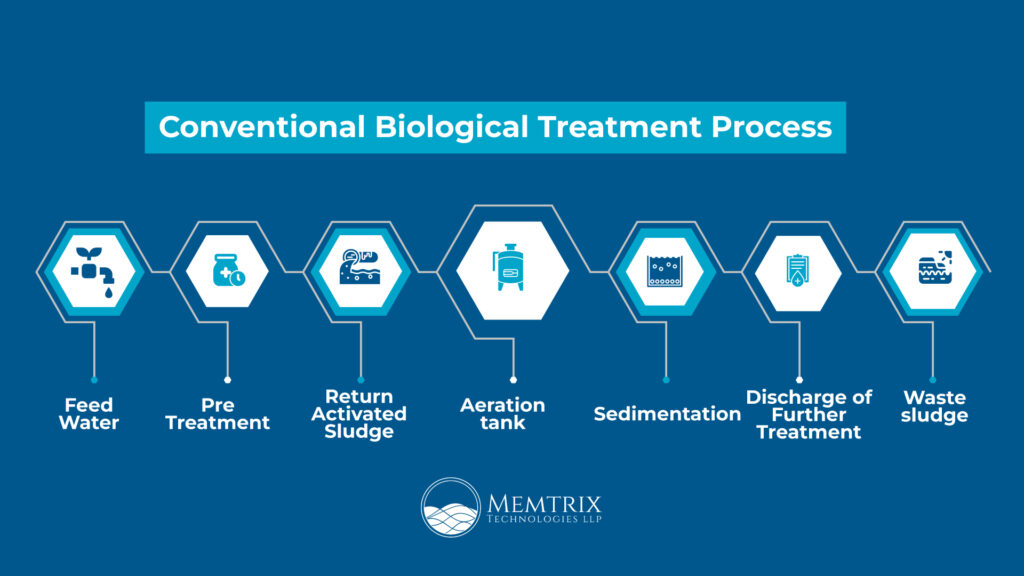
This guide explains why upgrading your ZeeWeed 500D modules is important, the benefits of modern replacement technology, and how it improves overall system performance.
The Importance of Wastewater Treatment
Rising populations, stricter discharge regulations, and water reuse programs are increasing the need for advanced wastewater treatment technologies. Traditional activated sludge systems often fall short of meeting modern effluent requirements for:
- Nutrient removal
- Pathogen reduction
- Suspended solids removal
- Water reuse compliance
MBR technology addresses these challenges by combining biological treatment with membrane filtration to produce high-quality effluent suitable for industrial reuse, irrigation, or safe discharge into the environment.
However, when membrane modules start to degrade, plant efficiency drops. This is where replacing MBR modules becomes vital.
Understanding the ZeeWeed 500D System
The ZeeWeed 500D is a popular hollow-fiber membrane module used in municipal and industrial MBR facilities. Designed for submerged operation, it offers dependable solid-liquid separation with high permeability.
Over time, membrane fibers can suffer from:
- Mechanical wear from aeration
- Chemical degradation from cleaning agents
- Fouling buildup
- Reduced permeability
- Increased transmembrane pressure (TMP)
These problems affect wastewater treatment performance, energy use, and maintenance costs.
Upgrading to modern replacement modules can restore and often boost system efficiency beyond original specifications.
Why Consider MBR Module Replacement?
Replacing old membrane modules is about more than just restoring function. Modern replacements are designed to improve system performance.
1. Better Membrane Material Technology
New-generation modules often use improved PVDF materials, offering:
- Higher strength
- Better chemical resistance
- Enhanced water attraction
- Improved resistance to fouling
These features support long-term reliability in wastewater treatment.
2. Stronger Hollow Fiber Design
Advanced modules include strengthened internal structures that:
- Reduce fiber breakage
- Prevent elongation
- Increase durability
- Extend membrane life
This is especially important in high-aeration MBR systems.
3. Improved Flow Dynamics
Modern module designs optimize:
- Air scouring efficiency
- Sludge circulation
- Permeate consistency
This leads to less fouling and better filtration stability
Key Benefits of MBR Module Replacement for ZeeWeed 500D
- Greater Durability
Advanced replacement modules are built for tough operating conditions. Their increased strength cuts down on unexpected downtime and reduces the need for frequent replacements.
- Lower Operational Costs
With better permeability and resistance to fouling, plants see benefits such as:
- Reduced energy use
- Lower aeration demand
- Fewer chemical cleanings
- Decreased maintenance labor
This leads to lower overall costs for wastewater treatment facilities.
- Stable Transmembrane Pressure (TMP)
High TMP often signals membrane fouling or degradation. New modules keep TMP levels stable, boosting system reliability and control.
- Higher Flux Performance
Optimized pore distribution allows for increased flux rates without sacrificing effluent quality.
- Easy Compatibility
Replacement modules are designed to fit seamlessly into existing ZeeWeed 500D frames, minimizing installation complexity and downtime.
Applications in Wastewater Treatment
MBR module replacement solutions are widely used in various sectors.
- Municipal Wastewater Plants
Urban treatment facilities depend on MBR technology for effective wastewater treatment due to space constraints and strict discharge regulations.
Upgraded modules ensure:
Consistent effluent compliance
High pathogen removal
Reduced sludge production
Reliable long-term operation
- Industrial Wastewater Treatment
Industries such as:
Food and beverage
Pharmaceuticals
Petrochemicals
Textiles
Electronics manufacturing
Need strong membrane systems that can handle varying effluent characteristics. Advanced replacement modules boost chemical resistance and operational stability.
- Water Reuse Projects
Water reuse initiatives require very high effluent clarity. MBR module replacement ensures treated water meets reuse standards for:
Irrigation
Industrial cooling
Process water
Groundwater recharge
Performance Improvements After Replacement
Facilities upgrading their ZeeWeed 500D modules usually see clear improvements in wastewater treatment performance.
Reduced Fouling Rate
Better hydrophilic surfaces limit organic and biological buildup.
Lower Energy Demand
Efficient air scouring and optimized module designs cut down on blower energy use.
Extended Cleaning Intervals
Fewer chemical cleanings are needed due to enhanced fouling resistance.
Increased System Throughout
Higher flux capacity allows plants to process more flow without expanding infrastructure.
Economic Impact of Module Replacement
Although replacing modules requires initial investment, the long-term economic advantages are significant.
Lower Total Cost of Ownership (TCO)
Advanced modules offer:
Longer service life
Fewer emergency shutdowns
Less membrane damage
Reduced maintenance costs
Improved ROI
Better efficiency in wastewater treatment boosts plant productivity and compliance, protecting against fines.
Deferred Capital Expansion
Enhanced membrane performance can increase system capacity, postponing costly plant expansion.
Engineering Considerations for Replacement
When planning MBR module replacement for ZeeWeed 500D systems, consider factors such as:
- Membrane material specs
- Fiber strength
- Module packing density
- Air distribution compatibility
- Chemical tolerance
- Manufacturer support
Partnering with experienced membrane suppliers ensures proper system integration and top performance.
Sustainability and Environmental Benefits
Improving wastewater treatment is crucial for protecting the environment. Upgrading membrane modules promotes sustainability by:
- Reducing energy use
- Lowering chemical consumption
- Enabling reuse of high-quality water
- Minimizing sludge production
- Supporting water recycling initiatives
Durable membrane materials also cut down on waste from frequent replacements.
Signs It’s Time for Module Replacement
Operators should watch for signals that indicate the need for replacement:
- Rising transmembrane pressure
- Decreasing permeate flow
- Frequent fiber breakage
- Increased energy use
- Lower effluent quality
- More cleaning
Replacing modules early prevents system failure and maintains wastewater treatment standards
The Future of Wastewater Treatment and MBR Technology
The global demand for wastewater treatment continues to grow due to climate change, industrial expansion, and water reuse policies.
Emerging trends include:
- AI-based membrane monitoring
- Smart fouling prediction systems
- Enhanced nanocomposite membranes
- Energy-efficient aeration designs
- Modular decentralized treatment setups
MBR module replacement solutions will keep evolving with these innovations, providing even greater efficiency and reliability
Choosing the Right Replacement Solution
Selecting the best module for ZeeWeed 500D systems requires careful evaluation of:
- Proven performance in the field
- Membrane durability data
- Compatibility
- Technical support after purchase
- Warranty coverage
- Compliance with regulations
A dependable supplier should offer technical advice and installation help for a smooth upgrade.
Conclusion
Replacing MBR modules for ZeeWeed 500D systems is not just routine maintenance; it’s a strategic investment in performance, efficiency, and sustainability.
Upgrading to engineered replacement modules can significantly improve wastewater treatment results with:
- Greater durability
- Reduced operational costs
- Consistent flux performance
- Lower energy use
- Superior effluent quality
As water challenges intensify, enhancing membrane performance is vital for meeting environmental standards and achieving long-term success.
Advanced replacement technology ensures that existing MBR systems continue to produce high-quality results while adjusting to the changing demands of modern wastewater management.
Call us or whatsapp us at +91 6355038616
Follow . Share . Like
Additional Read
Membrane Solutions for Pharmaceutical Wastewater Treatment: Why Pharma Wastewater MBR Is the Future in India
5 Indications That Your Facility Should Upgrade to Ultrafiltration Membranes
MBR vs Conventional Treatment: Why Membrane Systems Are the Future