PVDF MBR Membranes: A Reliable Solution for Modern MBR Plants
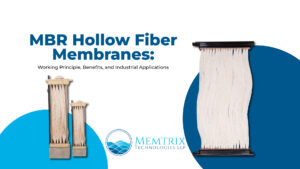
MBR Hollow Fiber Membrane Today’s changing environmental landscape makes industrial water treatment more important than ever. In fact, with growing regulatory demands, water scarcity, and the need for sustainable practices, industries are turning to membrane technologies to achieve their wastewater treatment goals. Certainly, among these, PVDF MBR membranes are a leading choice for modern Membrane Bioreactor (MBR) plants. Now, this article looks at why PVDF MBR membranes are considered the best option in industrial water treatment systems and how they contribute to improved performance, durability, and efficiency in modern MBR facilities. Understanding MBR Technology in Industrial Water Treatment Furthermore, membrane Bioreactor (MBR) technology combines biological wastewater treatment with membrane filtration. Unlike traditional activated sludge systems, MBR plants use membranes to separate treated water from biomass. Notably, this eliminates the need for secondary clarifiers and greatly enhances effluent quality. In industrial water treatment, MBR systems are commonly found in: Food and beverage processing plants Pharmaceutical manufacturing Petrochemical industries Textile factories Municipal wastewater facilities Lastly, the essential component that influences the performance of an MBR system is the membrane material, where PVDF (Polyvinylidene Fluoride) membranes are crucial. What Are PVDF MBR Membranes? Firstly, PVDF (Polyvinylidene Fluoride) MBR membrane is a high-performance thermoplastic polymer known for its strong chemical resistance, mechanical strength, and thermal stability. Secondly, in MBR systems, PVDF membranes act as a barrier that keeps suspended solids, bacteria, and pathogens out while allowing treated water to flow through. PVDF membranes are typically available in hollow fiber or flat sheet forms. Both designs are commonly used in industrial water treatment plants based on operational needs. Why PVDF Is Ideal for Modern MBR Plants 1. Superior Chemical Resistance Industrial wastewater often contains harsh chemicals, solvents, oils, and extreme pH levels. However, PVDF membranes can resist acids, alkalis, and oxidizing agents, making them perfect for demanding industrial water treatment environments. This stability ensures: Longer membrane lifespan Reduced risk of degradation Consistent filtration performance 2. High Mechanical Strength Modern MBR plants operate under continuous aeration and suction conditions. Membranes must withstand mechanical stress, backwashing, and cleaning cycles. PVDF membranes provide: Excellent tensile strength High flexibility Resistance to fiber breakage This durability lowers maintenance costs and ensures reliable performance in industrial water treatment systems. 3. Excellent Fouling Resistance Membrane fouling is a major challenge in MBR operations. PVDF membranes can be modified to increase hydrophilicity, decreasing the attachment of organic matter and microorganisms. Benefits include: Lower transmembrane pressure (TMP) increase Longer cleaning intervals Improved system efficiency By minimizing fouling, PVDF MBR membranes greatly enhance the overall performance of industrial water treatment plants. Key Advantages of PVDF MBR Membranes in Industrial Water Treatment 1. High-Quality Effluent MBR systems with PVDF membranes produce high-quality effluent. They effectively remove: Suspended solids Bacteria Viruses Organic pollutants This makes treated water suitable for reuse applications such as: Cooling tower makeup water Boiler feed pre-treatment Process water recycling In areas facing water scarcity, high-quality reuse is a significant benefit of advanced industrial water treatment technologies. 2. Compact Plant Design Traditional wastewater treatment systems need large settling tanks and clarifiers. MBR systems eliminate these components, reducing the overall footprint. For industrial facilities with limited space, PVDF MBR membranes allow for: Compact plant layouts Easy retrofitting of existing facilities Modular expansion options This adaptability makes MBR systems a favored choice in modern industrial water treatment projects. 3. Operational Stability Additionally, PVDF membranes maintain steady filtration performance even with changing influent conditions. Industrial wastewater characteristics can vary greatly, but the strong properties of PVDF help maintain system stability. Stable operation means: Fewer shutdowns Reduced downtime Predictable maintenance schedules This reliability is essential for industries that cannot afford operational disruptions Comparing PVDF with Other Membrane Materials While other membrane materials like PES (Polyethersulfone) and PTFE (Polytetrafluoroethylene) are used in MBR systems, PVDF remains the top choice in industrial water treatment for several reasons: Feature | PVDF | PES | PTFE | Chemical Resistance | Excellent | Good | Excellent | Mechanical Strength | High | Moderate | High | Hydrophilicity | Modifiable | Good | Limited | Cost-Effectiveness | High | Moderate | Higher | Moreover, PVDF strikes an optimal balance among performance, durability, and cost, making it the preferred membrane material for long-term industrial water treatment investments. Applications of PVDF MBR Membranes in Industrial Sectors 1. Food & Beverage Industry Wastewater from food processing contains high levels of organic matter and fats. PVDF membranes handle these loads effectively, ensuring consistent effluent quality. 2. Pharmaceutical Industry Strict discharge regulations need advanced filtration. Furthermore, PVDF MBR membranes offer the separation performance required for sensitive pharmaceutical wastewater streams. 3. Textile Industry Textile wastewater often contains dyes and chemicals. Meanwhile, the chemical resistance of PVDF membranes makes them suitable for these challenging industrial water treatment applications. 4. Petrochemical Industry Oil-contaminated wastewater needs robust membrane materials. PVDF membranes work reliably under high chemical and temperature stress. Maintenance and Cleaning of PVDF MBR Membranes Regular maintenance is crucial for optimal performance in industrial water treatment plants. PVDF membranes support various cleaning methods, including: Physical cleaning (air scouring, backwashing) Chemical cleaning (CIP with acids, alkalis, oxidants) Because of their chemical resilience, PVDF membranes can handle strong cleaning agents without significant degradation. Further, this lengthens the service life of the membranes and reduces how often they need to be replaced. Sustainability Benefits of PVDF MBR Technology It is important to note that sustainability is becoming increasingly important in industrial water treatment. PVDF MBR membranes support environmental goals by: Enabling water reuse and recycling Reducing sludge production Lowering energy use compared to conventional systems Minimizing chemical use By improving treatment efficiency and supporting circular water management, PVDF membranes assist industries in meeting ESG and compliance targets. Design Considerations for Modern MBR Plants When integrating PVDF MBR membranes into industrial water treatment systems, several design factors should be considered: Membrane flux rate Aeration intensity Sludge concentration (MLSS) Cleaning protocols Hydraulic retention time (HRT) Hence, proper system design ensures optimal membrane performance, a longer lifespan, and cost-effective operation. Future Trends in PVDF MBR