Blog

Wastewater treatment plant using ultrafiltration technology — membrane filtration process for recycling industrial wastewater and improving water purity.

Ultrafiltration Membrane Module in Wastewater Recycling Explained

Introduction: The Future of Water Reuse Lies in Ultrafiltration Water scarcity is no longer a looming threat — it’s a present-day reality for industries worldwide. As the demand for sustainable water management grows, ultrafiltration membrane modules have emerged as a key enabler of wastewater recycling and reuse. From textile dye effluents to food processing plants and municipal sewage, ultrafiltration (UF) plays a crucial role in transforming contaminated water into a reusable resource. This article breaks down everything you need to know about ultrafiltration in wastewater recycling — how it works, what makes it effective, where it’s used, and why the ultrafiltration membrane module is fast becoming the preferred choice for industrial water treatment systems. What Is Ultrafiltration (UF)? Ultrafiltration is a pressure-driven membrane filtration process that separates suspended solids, oils, bacteria, and macromolecules from water. It acts as a physical barrier that allows water and small dissolved substances to pass through while rejecting particles and microorganisms larger than the membrane pores (typically 0.01 to 0.1 microns). The heart of every UF system is the ultrafiltration membrane module — a compact assembly containing hundreds or thousands of hollow fibers or flat sheets that perform the filtration task. These modules are designed to provide high surface area, durability, and easy cleaning for long-term operation. How Ultrafiltration Membrane Modules Work Ultrafiltration operates on a simple principle: applying pressure to drive water through a semipermeable membrane. The feedwater passes along the surface of the membrane fibers, and clean water (called permeate) passes through the membrane pores. The retained contaminants form a concentrate stream, also known as the retentate. Key components in an ultrafiltration system: Feed pump: Pressurizes the incoming wastewater. UF membrane module: Houses the membranes that perform separation. Permeate outlet: Collects purified water ready for reuse or further treatment. Concentrate outlet: Discharges the retained particles or directs them for sludge management. Two typical UF flow configurations: Dead-end filtration: All feedwater passes through the membrane; solids accumulate on the surface. Cross-flow filtration: Part of the feedwater flows parallel to the membrane to minimize fouling and flush out impurities. The Science Behind UF: Filtration by Molecular Size To understand the power of UF membranes, it helps to look at how it compares with other filtration methods. The ultrafiltration membrane module sits between microfiltration and nanofiltration on the filtration spectrum. Filtration Type Pore Size (µm) Retains Application Example Microfiltration 0.1 – 1.0 Suspended solids, large bacteria Pre-filtration before UF or RO Ultrafiltration (UF) 0.01 – 0.1 Bacteria, colloids, proteins, organics Industrial wastewater treatment Nanofiltration 0.001 – 0.01 Divalent ions, small organics Softening, colour removal Reverse Osmosis (RO) <0.001 Dissolved salts, all ions Desalination, ultrapure water With a typical pore size of 0.03 microns, UF membranes effectively remove 90–99% of suspended solids and most microorganisms — making them ideal as a pretreatment step before RO or as a standalone polishing process in wastewater reuse systems. Materials and Design of Ultrafiltration Membrane Modules Modern ultrafiltration membranes are engineered for both robustness and selectivity. Common materials used include: Polyethersulfone (PES): Popular for its high permeability and chemical resistance. Polyvinylidene fluoride (PVDF): Known for strong mechanical strength and fouling resistance. Polysulfone (PS): Excellent for high-flow industrial systems with strong caustic tolerance. Ceramic membranes: Used in high-temperature or highly contaminated wastewater for longer lifespan. Membrane module configurations: Hollow fiber modules: Thousands of thin fibers enable high surface area in a compact design. Spiral wound modules: Flat-sheet membranes rolled around a central tube for higher flux applications. Tubular modules: Preferred for viscous wastewater streams like dairy, brewery, or oil effluents. Each ultrafiltration membrane module is optimized for flow rate, recovery, and cleanability depending on the industry and application. Advantages of Ultrafiltration in Wastewater Recycling Ultrafiltration is gaining popularity because it combines efficiency, reliability, and sustainability. Here’s why industries are adopting UF-based recycling systems: High-quality permeate: Produces crystal-clear water free from bacteria and turbidity (<0.1 NTU). Low chemical usage: Operates primarily on physical separation, minimizing chemical additives. Compact and modular design: UF membrane modules can be easily scaled up or replaced. Reduced sludge production: Compared to conventional clarification systems. Stable operation: Resistant to feedwater fluctuations common in industrial waste streams. Pretreatment for RO systems: Protects downstream reverse osmosis membranes from fouling and scaling. Energy-efficient: Operates under low pressure (1–5 bar) compared to RO systems. Collectively, these advantages translate into lower operating costs, smaller footprints, and improved water recovery rates. Common Applications of UF Membrane Technology Ultrafiltration is no longer limited to municipal facilities — it finds application across diverse industries. Textile and Dyeing Industry: Removes dyes, suspended solids, and sizing agents from process water. UF-treated water can be reused for dye bath preparation or rinsing operations. Food and Beverage Processing: Concentrates proteins, purifies process water, and ensures reuse without contamination. UF systems are used in cheese whey concentration, sugar syrup clarification, and beverage filtration. Pharmaceutical Manufacturing: Provides microorganism-free water for cooling, cleaning, and product formulation processes. Oil and Gas Sector: Treats produced water, oily wastewater, and reinjection water by removing hydrocarbons and suspended solids. Automotive and Metal Finishing Plants: UF modules efficiently remove oil emulsions and paint residues from rinse water, allowing cost-effective recycling. Municipal and Domestic Wastewater: Enhances tertiary treatment by polishing secondary effluent to achieve high-quality reclaimed water for non-potable reuse. Cleaning and Maintenance of UF Membrane Modules Fouling — the accumulation of unwanted materials on the membrane surface — is inevitable in UF systems. Regular cleaning and maintenance ensure long-term stability and performance. Cleaning methods include: Backwashing: Reversing flow periodically to remove surface deposits. Air scouring: Releasing air bubbles to physically disrupt fouling layers. Chemical Cleaning-in-Place (CIP): Using mild alkalis, acids, or disinfectants to dissolve organic and inorganic foulants. Maintenance cycles: Typically every 30–60 minutes of operation, depending on feed quality. Manufacturers design ultrafiltration membrane modules for easy cleaning access and automated backwash cycles, reducing downtime and maintenance costs. Integration with Other Treatment Processes UF systems often work as part of a multi-stage treatment chain. For maximum water recovery and purity, UF is commonly paired with: Coagulation–flocculation: Removes larger

Read More »
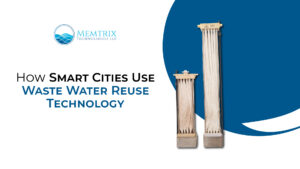
Large and small hollow-fiber membrane modules manufactured by Memtrix Technologies LLP for water purification and wastewater treatment systems

Understanding Membrane Fouling & How to Prevent It

Membrane systems play a crucial role in industries ranging from wastewater treatment and food processing to pharmaceuticals and desalination. However, one persistent challenge that reduces system efficiency, raises maintenance costs, and shortens equipment life is membrane fouling. Understanding why fouling occurs and how to prevent it through effective membrane fouling solutions is essential for sustainable and cost-efficient operations. In this guide, we’ll explore the fundamentals of membrane fouling, its major causes, types, and practical solutions to keep your filtration systems performing at their best. What is Membrane Fouling? Membrane fouling occurs when unwanted materials accumulate on the surface or within the pores of a membrane, reducing its permeability and flux. In simple terms, fouling clogs the membrane, forcing operators to use more energy and frequent cleaning to maintain system performance. When left unchecked, membrane fouling can cause: Reduced water flow and lower permeate quality Increased trans-membrane pressure More frequent chemical cleaning cycles Shortened membrane lifespan Higher overall operational costs Therefore, early identification and implementation of membrane fouling solutions can mean the difference between a smoothly running filtration system and one plagued by inefficiency. Common Types of Membrane Fouling Membrane fouling varies depending on the feed water composition, operating conditions, and membrane material. The major types include: Particulate or Colloidal Fouling This type occurs when suspended solids, silt, or fine particles settle on the membrane surface. These particles create a dense cake layer that restricts flow and increases pressure. Typical sources: raw water with high turbidity, insufficient pre-filtration, or inadequate sedimentation. Organic Fouling Organic fouling is caused by natural organic matter such as humic acids, oils, fats, and surfactants. These materials adhere strongly to membrane surfaces, reducing permeability and complicating cleaning. It is common in municipal wastewater, industrial effluent, and food processing applications. Biofouling Biofouling results from microbial growth on the membrane surface. Bacteria attach to the surface and produce extracellular polymeric substances (EPS), forming a sticky biofilm that significantly hampers system efficiency. This is one of the most complex and persistent fouling types, often requiring a mix of physical and chemical membrane fouling solutions. Scaling (Inorganic Fouling) Scaling occurs when dissolved inorganic salts such as calcium carbonate, calcium sulfate, or silica precipitate and crystallize on the membrane surface. Once formed, these scale layers are difficult to remove and can cause irreversible damage. Key Causes of Membrane Fouling Fouling is a multifactorial problem, influenced by several operational and environmental conditions. Understanding these root causes helps in selecting the right prevention strategy: Feed Water Quality: High concentration of suspended solids, organic matter, or biological contaminants accelerates fouling. Improper Pretreatment: Insufficient filtration, inadequate coagulation, or poor pH control before water enters the membrane system. Operating Pressure and Flow Rate: Low crossflow velocity or high pressure can enhance particle deposition on the membrane surface. Temperature: Higher temperatures promote biological growth and alter solubility, increasing scaling risks. Membrane Material: Some membranes are more prone to adhesion of specific types of foulants based on their surface characteristics. How Membrane Fouling Impacts System Efficiency The consequences of membrane fouling go beyond reduced water output. The long-term effects can cripple system economics and sustainability: Energy Consumption: As fouling increases resistance, more pressure—and therefore more energy—is needed to maintain desired flux. Frequent Downtime: Regular chemical cleaning or membrane replacement interrupts operations. Higher Chemical Use: Overuse of cleaning agents adds to environmental load and operational costs. Membrane Degradation: Aggressive cleaning can damage the membrane surface, reducing its lifespan. To combat these challenges, industries implement advanced membrane fouling solutions that combine physical, chemical, and operational controls for lasting results. Effective Membrane Fouling Solutions Managing membrane fouling involves preventive design, optimized operations, and smart cleaning techniques. Below are the most effective strategies implemented in modern membrane systems. Pretreatment Optimization High-quality pretreatment is the foundation of every effective fouling prevention plan. Depending on water type, this may include: Microfiltration or Ultrafiltration: To remove fine particles and organic matter before reverse osmosis (RO) or nanofiltration stages. Coagulation and Flocculation: Adding coagulants helps form larger particles that are easier to filter out. Activated Carbon Filtration: Effective in removing organic compounds and residual chlorine that can damage membranes. pH Control: Maintaining optimal pH minimizes scaling potential. Regular Monitoring and Automation Installing sensors for differential pressure, temperature, pH, and conductivity helps identify early fouling signs. Automated data logging and AI-based predictive maintenance reduce the need for manual intervention and unplanned downtime. Optimizing Operating Conditions Adjusting flow rates, pressure, and recovery levels helps minimize fouling buildup. A higher crossflow velocity reduces boundary layer thickness and discourages particle deposition. It is advisable to maintain a stable feed water temperature and avoid drastic changes that can destabilize solubility balances or bio-growth rates. Anti-Fouling Membrane Materials Modern membranes are designed with surface modifications that repel foulants. Technologies like hydrophilic coatings, surface charge adjustments, or nanocomposite materials improve fouling resistance without compromising permeability. For example: Hydrophilic polymers minimize organic adhesion. Positively charged surfaces deter biofilm growth. Nanoparticle coatings enhance smoothness, reducing attachment points. Chemical Additives and Antiscalants Adding antiscalants, dispersants, or biocides to the feed water can significantly slow fouling progression. However, the choice of chemicals must suit both the foulant profile and membrane material. Antiscalants control crystal growth and delay scaling. Biocides (like chlorine derivatives) control microbial population, though exposure should be limited to chlorine-resistant membranes or neutralized before contact. Dispersants prevent aggregation of colloids and organic materials. Scheduled Cleaning and Maintenance Even with preventive methods, periodic cleaning is inevitable. Successful cleaning programs consider: Physical cleaning: forward flushing, backwashing, or air scouring to dislodge particles. Chemical cleaning: acidic, alkaline, or enzymatic cleaners formulated for specific foulants. Clean-in-place (CIP) systems automate the process for efficiency and consistency. Maintaining a record of cleaning frequency and performance helps identify patterns for improved control of fouling cycles. Advanced Technological Approaches As industries demand higher efficiency, newer analytical and operational technologies are advancing membrane fouling solutions further. Electrochemical Cleaning: Uses electrical current to break down biofilms or scale layers without harsh chemicals. Ultrasonic Cleaning: Waves disrupt foulant layers mechanically, reducing chemical dependency. AI-Powered Monitoring: Machine

Read More »
Hollow fiber membrane modules by Memtrix Technologies LLP used for water filtration and wastewater treatment, showing bundled membrane fibers mounted in frame.”

What Is a Hollow Fiber Membrane? Working Principle & Key Advantages

Hollow fiber membranes are revolutionary filtration devices widely used in water treatment technology, especially gaining traction in India. These membranes are fine filters consisting of tiny hollow tubes that act as selective barriers, allowing water and small molecules to pass through while retaining impurities like bacteria, suspended solids, and large molecules. This makes hollow fiber membranes ideal for wastewater treatment, drinking water purification, and numerous industrial applications. What Is a Hollow Fiber Membrane? A hollow fiber membrane is a type of semi-permeable membrane made up of thousands of tiny hollow tubes, each with microporous walls. These tubes have diameters typically from 0.3 to 1.4 millimeters. The walls contain billions of micropores that allow selective filtration based on size and molecular weight. This further enables the passage of water molecules and beneficial minerals while blocking contaminants such as bacteria, viruses, rust, colloids, and suspended solids. The structure of hollow fiber membranes provides a large surface area per unit volume, making them highly efficient.​ Working Principle of Hollow Fiber Membranes Hollow fiber membranes operate based on a pressure-driven filtration principle. Raw or contaminated water is passed either inside the hollow fibers or on their outer surface. A pressure difference across the membrane forces water molecules through the micropores, while larger particles and contaminants are retained outside or inside the hollow fiber lumen. Because the membrane’s micropores are tiny—often around 0.01 to 0.2 micrometers—the filtration process effectively removes bacteria, viruses, and suspended solids. The filtration process is continuous and dynamic. Further, it often employs cross-flow filtration where contaminants are flushed away, preventing clogging and enabling longer operational life. The membranes are designed to work efficiently at low pressures (around 0.02 MPa or higher). Memranes are with excellent durability and extensibility, ensuring they can withstand industrial water treatment environments.​ Key Advantages of Hollow Fiber Membranes in India India’s growing need for innovative wastewater solutions has made hollow fiber membranes a preferred technology due to their multiple advantages: High Filtration Efficiency: They effectively remove microbiological contaminants such as bacteria, viruses, and fungi, achieving safe, potable water output, crucial for India’s water safety challenges.​ Energy-Efficient and Cost-Effective: These membranes operate at low pressure. It reduces energy consumption compared to other filtration systems. They also require minimal chemicals, making them cost-effective and eco-friendly.​ Compact and Space-Saving: The hollow fiber configuration offers a large filtration area in a small footprint, ideal for space-constrained setups common in Indian urban and rural settings.​ Durability and Longevity: Advanced membrane materials used in India demonstrate high mechanical strength and chemical resistance, leading to longer service life and reduced replacement costs.​ Versatility and Adaptability: Hollow fiber membranes can be used in a variety of applications, from municipal wastewater treatment to industrial process water recycling or even portable water purification devices for rural areas.​ Environmentally Friendly: The process generates no chemical waste, aligning with India’s increasing environmental regulations and sustainability goals.​ Applications of Hollow Fiber Membranes in India Hollow fiber membrane technology is utilized extensively for: Municipal wastewater treatment to meet discharge standards. Drinking water purification in both urban and rural areas, including remote locations where conventional systems are impractical. Industrial water recycling and reuse. Pre-treatment for reverse osmosis systems to extend membrane life and efficiency. Portable water purification devices for disaster relief and community use. Why Choose Hollow Fiber Membrane Technology? Firstly, choosing hollow fiber membranes ensures high-quality water treatment with lower operational costs, improved reliability, and sustainability. Moreover, in India, where water contamination poses severe health risks and large-scale water scarcity is a concern. This technology offers a practical, scalable solution that addresses these challenges effectively. Actually, for companies operating in hollow fiber membrane manufacturing and deployment in India, highlighting these benefits in product offerings and marketing appeals strongly to industries and municipalities. It aims for cost-efficient, reliable water management solutions. By integrating hollow fiber membrane technology, India can enhance its wastewater treatment infrastructure, improve public health, and advance towards sustainable water use. This cutting-edge solution underscores why hollow fiber membranes are leading the charge in India’s wastewater technology landscape. Call us or whatsapp us at +91 6355038616 Follow .  Share .  Like Linkedin Youtube

Read More »
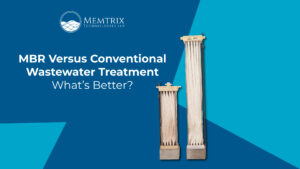
MBR vs Conventional Treatment banner by Memtrix Technologies LLP, featuring membrane bioreactor modules used in advanced wastewater treatment. Image highlights the benefits of membrane systems over traditional sewage treatment processes, showcasing modern MBR filtration units.

MBR vs Conventional Treatment: Why Membrane Systems Are the Future

Introduction: The Evolution of Wastewater Treatment Wastewater treatment has come a long way—from simple settling tanks to advanced integrated systems capable of delivering reusable-quality water. As urbanization accelerates and environmental regulations tighten, industries and municipalities are searching for more sustainable solutions. The debate of MBR vs conventional treatment has thus become central in today’s water management strategies. The conventional sewage treatment plant (STP) method—based on primary, secondary, and sometimes tertiary stages—has served communities for decades. However, Membrane Bio-Reactor (MBR) technology has begun redefining efficiency standards, compact footprints, and consistent water quality. Let’s dive deeper into what makes MBR systems the future of wastewater treatment compared to traditional methods. Understanding Conventional Treatment Systems Traditional wastewater treatment works through a sequence of steps designed to separate and reduce contaminants before discharge or reuse. A typical STP includes: Primary Treatment: Physical separation of solids through screening and sedimentation. Secondary Treatment: Biological degradation using aerobic or anaerobic microbes to break down organic matter. Tertiary Treatment (optional): Further chemical or filtration processes for polishing the water quality. While effective, conventional systems rely heavily on gravity-based settling and biological oxidation, leading to large space requirements and variable performance. The treated water may still contain suspended solids, pathogens, and nutrients that limit reuse potential. Key challenges associated with conventional STPs include: High land area consumption. Odor generation due to open aeration tanks. Inconsistent treated water quality. Frequent sludge handling requirements. Limited scope for direct reuse in industrial or irrigation applications. These challenges have paved the way for compact and smarter solutions—led by MBR technology. What Is MBR? How Does It Work? MBR (Membrane Bio-Reactor) combines biological treatment and membrane filtration in a single integrated system. Instead of relying on gravity to separate solids (like conventional systems), MBR uses microfiltration or ultrafiltration membranes to physically retain all suspended solids, bacteria, and pathogens. The process typically includes: Biological reactor: Organic matter is degraded by microorganisms under controlled conditions. Membrane filtration unit: The treated water passes through semi-permeable membranes, leaving solids behind and producing crystal-clear effluent. The result? A highly efficient system producing water clean enough for reuse in gardening, flushing, cooling towers, and other non-potable applications. Core Differences: MBR vs Conventional Treatment   Aspect Conventional Treatment MBR Treatment Process Principle Gravity-based separation and biological oxidation Biological degradation combined with membrane filtration Footprint Large area required due to settling tanks and aerators Compact design with integrated reactors Treated Water Quality Moderate—often requires tertiary polishing Excellent—nearly free from suspended solids and pathogens Odor and Aesthetics Open tanks leading to odor issues Closed system with minimal odor Sludge Generation High sludge output Reduced sludge volume Reuse Potential Limited without additional treatment Direct reuse possible for multiple applications Automation and Control Low to moderate High—real-time monitoring and control systems Energy Use Moderate Slightly higher, but compensates via efficiency and quality Why MBR Systems Are Transforming Wastewater Reuse Superior Effluent Quality One of the defining advantages of MBR systems is the unmatched effluent clarity. The membranes act as a physical barrier, removing suspended solids and microorganisms down to 0.01 microns. This results in consistent, high-quality water suitable for reuse or discharge into sensitive environments. Compact Design and Space Efficiency Compared to conventional treatment, MBR systems require up to 60% less space. The absence of secondary sedimentation tanks and tertiary filtration units makes MBR ideal for urban sites where land cost is high. Enhanced Process Stability MBR technology maintains stable biological activity even with variable influent loads. Conventional systems often falter with shock loads or flow fluctuations. MBR’s controlled environment ensures better adaptability and consistent performance year-round. Simplified Operations and Automation Modern membrane systems integrate IoT and SCADA-based automation for real-time monitoring of DO, flux rates, and membrane health. Automated backwashing cycles and cleaning protocols minimize manual intervention, reducing operational errors and labor requirements. Efficient Sludge Management MBR systems inherently reduce sludge generation due to extended sludge retention time (SRT). Lower sludge volumes mean fewer disposal cycles, translating to reduced operating costs and environmental burden. Comparing Long-Term Costs and ROI From a capital expenditure (CAPEX) standpoint, MBR systems may seem pricier due to membrane modules and control instrumentation. However, lifecycle performance tells a different story: Reduced footprint saves land acquisition costs. Lower sludge disposal expenses accumulate crucial savings. Superior water reuse potential diminishes the need for fresh water. Minimal operator intervention lowers staffing expenses. Over a 10-year horizon, MBR systems often prove 25–40% more cost-effective than conventional treatment setups when considering total cost of ownership (TCO). Environmental and Regulatory Benefits Global and national wastewater discharge norms are becoming stricter—especially regarding Biological Oxygen Demand (BOD), Chemical Oxygen Demand (COD), Total Suspended Solids (TSS), and microbial counts. MBR systems can easily meet and exceed the highest discharge standards: BOD < 5 mg/L TSS < 1 mg/L Pathogen removal up to 99.9% Compliance with these standards not only ensures regulatory safety but also improves corporate sustainability credentials. Many industries—including pharmaceuticals, textiles, and food processing—are adopting MBRs to achieve “Zero Liquid Discharge (ZLD)” or water reuse certification. MBR in Industrial and Municipal Applications MBR technology is now applied in a wide range of sectors: Municipal wastewater treatment plants: Compact and odor-free operation within cities. Hospitals and hotels: Producing hygienic water for flushing and gardening. Industries: Reusing water in cooling towers or process lines. Housing projects: Meeting green building and water reuse requirements. In India and globally, several smart-city projects now incorporate decentralized MBR-based STPs for sustainable water management. Technological Innovations Driving MBR Adoption Recent developments have addressed key limitations that once hindered MBR growth: Advanced membrane materials with anti-fouling coatings. Energy-efficient blowers and aeration systems. Smart membrane cleaning cycles improving lifespan. Hybrid MBR designs combining MBBR + MBR for enhanced performance. These innovations have significantly reduced the maintenance overheads and power consumption of MBRs—making them an attractive alternative to outdated STPs. Sustainability Perspective: Recycling Every Drop The global push for water conservation demands systems that not only treat wastewater but also make it reusable. MBR emerges as a leading contender for circular water management. Conventional STPs focus on

Read More »
5 signs your facility needs to upgrade to ultrafiltration membranes – Memtrix Technologies LLP industrial water filtration solutions banner featuring UF membrane module.

5 Indications That Your Facility Should Upgrade to Ultrafiltration Membranes

Introduction Indications Ineffective Filtration Performance Increased Operational Costs Inability to Achieve Water Quality Standards Rising Demand for Clean Water Increased Environmental Concerns FAQs Conclusion & Citations ————————————————————————————————————————————————————————- Clean water or air is slowly becoming luxuries for everyone. And when it comes to have clear water, UF or Ultra Filtration is something that comes to mind. Ultrafiltration (UF) membranes manufactured by Memtrix Technologies are changing the water treatment landscape in industrial, commercial and residential facilities. As growing needs for clean, efficient, and sustainable water processing have become more prominent, ultrafiltration has become a leading and cutting- edge technology. If your facility is experiencing clogged old filtration systems, it may be time to upgrade to UF membranes made by Memtrix Technologies. Here are five indications that it’s time to make the upgrade: These advanced systems offer superior removal of contaminants, ensuring higher water quality and operational reliability compared to conventional methods (Ghonimy et al., 2025). Ineffective Filtration Performance Poor filtration performance is one of the most prevalent indicators that your current filtration system requires an upgrade. If your plant is dealing with recurrent clogging, reduced filtration rates, or variable water quality, it’s an unmistakable sign that the existing system is no longer functioning at its best. Ultrafiltration membranes offer significantly improved filtration with high flow rates and predictable outcomes. Unlike conventional filtration techniques, UF membranes can effectively filter suspended solids, bacteria, viruses, and colloidal particles as small as 0.02 microns. This precise filtration capability makes them a preferred choice for industrial applications such as pharmaceuticals, food processing, and water treatment, where stringent purity standards are crucial. Beyond their superior filtration, ultrafiltration systems are also more efficient and long-lasting than outdated mechanisms like reverse osmosis or microfiltration. If your existing system struggles to meet the growing demand for pure water or support greater load capacities, then it’s time to seek a stronger solution from an industrial ultrafiltration systems manufacturer in India like Memtrix Technologies LLP or a membrane bioreactor solutions provider. Moreover, UF systems often exhibit lower energy consumption compared to reverse osmosis, making them a more sustainable choice for high-volume water treatment (Aziz et al., 2024). Increased Operational Costs Older filtration devices often lead to higher operational costs due to their need for extensive maintenance and chemical usage. In contrast, UF membranes require fewer chemicals, significantly reducing overall expenses. Their stable performance and long lifespan also translate into fewer maintenance interventions and less downtime. Furthermore, back washing and cleaning operations with UF membranes are generally less energy-intensive, leading to long-term energy savings. By upgrading to ultrafiltration, your plant can achieve not only enhanced efficiency but also significant cost savings. Companies, such as hollow fiber membrane sellers in Ahmedabad, can provide solutions to help minimize these operational overheads. This transition can also lead to a reduction in waste production and chemical consumption, further contributing to environmental sustainability goals (Touffet et al., 2015). Inability to Achieve Water Quality Standards For critical industries like pharmaceuticals, food and beverage, and electronics production, maintaining high water quality standards is non-negotiable. If your current filtration system fails to consistently deliver the required water quality, it’s a clear indication that an upgrade is essential. Ultrafiltration systems produce high-quality filtrates, effectively removing contaminants such as heavy metals, microorganisms, and colloidal particles that conventional filters often miss. This ensures your water consistently meets stringent production requirements. Furthermore, UF membranes require less extensive pre-treatment and reliably provide a clean output that adheres to all regulatory standards. This capability is particularly vital in mitigating the impact of industrial and urban effluents that introduce a wide array of pollutants, including pharmaceuticals, dyes, and pesticides, into water sources (Asghar et al., 2024). Rising Demand for Clean Water As businesses expand and regulatory requirements become stricter, the need for purified water grows. If your existing system cannot supply the necessary quantity of water or properly treat water from various sources, it’s time to consider an upgrade. Ultrafiltration membranes are highly scalable, making them easy to integrate into systems facing increasing water demands. Whether your facility needs expanded filtration capabilities or reduced water wastage, UF membranes offer the versatility and dependability to accommodate both. With membrane bioreactor technology solutions, UF systems can effectively treat wastewater, enabling water recycling within your facility and decreasing reliance on external water supplies. This enhanced capacity for water reuse not only bolsters operational resilience but also aligns with corporate sustainability objectives, offering a strategic advantage in resource management. Moreover, by reducing the reliance on external water sources, facilities can also mitigate risks associated with water scarcity and fluctuating supply costs, thereby enhancing long-term operational stability. Increased Environmental Concerns Environmental sustainability is a growing concern for companies globally. Ultrafiltration membranes offer a solution by providing cost-effective and environmentally friendly filtration systems. These membranes contribute to sustainability by having lower carbon emissions and producing less waste compared to traditional filtration methods. Furthermore, UF membranes are less energy-intensive and require fewer chemicals for cleaning, thereby reducing your facility’s environmental footprint. As industries face increasing pressure to adopt greener technologies, transitioning to ultrafiltration membranes can significantly enhance your facility’s green credentials. As a supplier of hollow fiber membranes in Ahmedabad, you can be confident that your facility is implementing one of the most environmentally sound filtration options available on the market. Additionally, the robust nature of UF membranes, often made from polymers like polysulfone or polyethersulfone, ensures extended operational lifespans, further contributing to reduced waste and resource consumption (Aziz et al., 2024). FAQs What is Ultra Filtration (UF) Membrane – Memtrix Technologies? Ultra filtration (UF) membrane is a physical filter with very tiny pores that helps in separating any kind of substances from water. All the solutes and solids are retained due to their weight and water passes through these membranes making the process of filtration better and efficient. Why to go for Ultra filtration water treatment process? The first and foremost reason to go for a UF water treatment process is that it helps in removing impurities as small as 0.01 microns. Also, it

Read More »
Membrane Bio Reactor (MBR) sewage treatment plant – advanced wastewater recycling system by Memtrix Technologies LLP, eco-friendly and efficient solution.”

Why Membrane Bio Reactors Are a Game- Changer for Sewage Treatment

Membrane Bio Reactor – MBR   Table of Content About Membrane Bio Reactors Traditional Wastewater Treatment vs. Membrane Bioreactor Benefits of Membrane Bio Reactors How Membrane Bio Reactors are revolutionizing the Sewage Treatment Application of MBR Technology FAQs ———————————————————————————————————————————————————————- To begin with, wastewater treatment is no longer a luxury. Secondly, it is a necessity that no business can refrain from. Apart from the ability to reuse the water, it has become an important part of compliance and sustainability initiatives. It was the loop holes in the efficiency of the traditional wastewater management techniques that led to emergence of new technologies. The latest membrane technologies India have witnessed revolution in the form of Membrane Bio Reactor System. Now, in this blog, we will discuss about what is hollow fiber membrane technology and how they are successfully changing the face of wastewater treatment. What is Membrane Bio Reactor System – MBR? A membrane bio reactor is an advanced system designed for wastewater management in an efficient manner. The technique is an amalgamation of biological treatment with membrane filtration. The conventional methods relied on sedimentation for separation of solid from liquid. However, membrane technology uses semi- permeable membranes. It offers excellent filtration outcome suitable for industrial reuse. Key Features: Removes bacteria, viruses, and suspended solids. No need for secondary filtration. Highly pure water suitable for industrial usage. Lesser risk of operational issues/ system failures. Components of Membrane Bio Reactor – MBR Biological Treatment Unit The section acts a traditional activated sludge process. Microorganisms breakdown the pollutants and organic matter. Oxygen is supplied to enable microbial activity. Bacteria degrade the contaminants efficiently. Membrane Filtration Unit Membrane Bio reactor is the core component. Efficient membranes separate treated water from the sludge. Membranes are made of Polytetrafluroethylene/ Polyvinylidene fluoride/ Polyethersulfone.   How Does Membrane Bio Reactor – MBR System Work? Pre- Treatment Wastewater is processed for removal of sand, grease, and large debris. It is a crucial step to prevent logging the membranes and prolonging their lifespan. Biological Degradation Wastewater enters the bioreactor- microorganisms and bacteria breakdown organic pollutants. The aeration system takes care of the oxygen supply. This promotes microbial growth and efficient pollutant removal. Membrane Filtration After the biological treatment, the mixture enters the membrane modules. Membranes become the physical barrier and retain pathogens, solids, and bacteria. It allows only clean water through it. Effluent Reuse The filtered water received complies with the stringent standards. The water is safe enough to be released into the environment. It is safe to agricultural and industrial use as well. Traditional Wastewater Treatment vs. Membrane Bioreactor With increasing demand for clean water due to industrialization and urbanization, the need for latest membrane technologies India became more critical than ever. Among the other available techniques, the membrane bio reactors are gaining momentum rapidly. MBRs have emerged as superior alternative to the traditional wastewater management systems. Let’s dive deeper into what makes MBRs more efficient, cost-effective, and environment friendly. About Traditional Wastewater System Usually, the conventional wastewater treatment system consists of chemical, physical, and biological processes. It’s divided into three stages- primary, secondary, and tertiary. Primary Treatment- removes large solids and sediments via screening and settling. Secondary Treatment- uses biological process such as activated sludge for degrading the organic matter. Tertiary Treatment- consists of nutrient removal, filtration, and disinfection to meet the discharge standards. Though the conventional systems have been popular for years owing to their effectiveness, they had some limitations. Inconsistent effluent quality, large footprints, and more production of sludge were common limitations. It is here that Membrane technology comes into the picture. Traditional Vs. Membrane Wastewater Technology Effluent Quality A significant benefit of MBRs over traditional system is the effluent quality. They handle removal of pathogens, contaminants, and suspended solids efficiently as compared to traditional systems. The treated water is suitable for reuse in agriculture and industrial field. Space Management Conventional systems need bigger settling tanks along with different treatment stages. It is spread across a huge area. On the other hand, MBRs are compact. They need lesser space for installation. They are perfect for urban areas with space limitations. Sludge Management MBR filters operate at higher levels of mixed liquor suspended solids concentration. It leads to reduced sludge yield as compared to the traditional methods. It means lesser sludge handling or disposal cost. Operational Stability MBRs offer improved process stability and offers resilience against load fluctuations. The separation process doesn’t depend on gravity settling as they can be affected by variable flow rates. MBRs provide consistent performance with less vulnerability to upsets. Cost Consideration MBR technology leads to higher energy consumption owing to membrane aeration. Though the capital cost is higher, it is cost- effective in the long run. The reduced footprint and water reuse offsets the investment cost. Benefits of Memtrix Membrane Bio Reactors – MBR Quality Effluent MBRs offer quality effluent- reduced suspended solids, pathogens, organic matter. Small pores of the membranes block the passage of particles. MBRs ensure the water meets stringent quality standards. Smaller Footprint Comparatively MBRs need smaller space for wastewater treatment. There is no need for secondary clarifiers. MBRs provide compact solution for water filtration. They are suitable for areas with space constraint. Flexibility and Stability The biological treatment in MBRs is stable. They are less vulnerable to fluctuations in influent traits. Membranes are a barrier to biomass washout. They ensure high concentration of microorganisms for water treatment. MBRs also handle variations in flow rates and organic loads efficiently. They offer flexibility in wastewater treatment. Improved Nutrient Removal MBRs efficiently remove nitrogen and phosphorous from wastewater. Efficient nutrient removal facilitated via extended solids retention time. Controlled environment promotes growth of nitrifying and denitrifying bacteria. Now that we have had a look at the benefits of RPVDF membranes for water treatment, let’s dive deeper into how these membranes are transforming the face of sewage treatment. How Membrane Bio Reactors are revolutionizing the Sewage Treatment As mentioned above, the rise in demand for clean water for industrial reuse and sustainable solution, MBRs

Read More »

Get A Quote

Lorem ipsum dolor sit amet, consectetur adipiscing elit,

Lorem ipsum dolor sit amet consectetur adipiscing elit aliquam

Copyright © 2022 BRIX Templates

All Rights Reserved | Terms and Conditions | Privacy Policy

Thank You for Your Submission!